.svg)
A fundamental aspect of modern LGBTQ+ literacy is separating who a person is attracted to from who a person is.
Scholars have analyzed how historical artists blurred gender lines to symbolize spiritual transcendence. In some medieval iconography, the physical characteristics of saints or ascetics were intentionally rendered in an ambiguous manner to suggest a state beyond earthly distinctions.
In the vibrant tapestry of LGBTQ+ culture, the transgender community has long been both a foundational thread and a resilient force for change. While the acronym "LGBTQ+" suggests a unified front, the lived experiences of transgender individuals often encompass unique historical trajectories, cultural nuances, and systemic hurdles that merit deep exploration. This post delves into the history, current landscape, and ongoing journey of the trans community within the broader queer movement. 1. A History Hidden in Plain Sight shemale master
Engaging in roleplay that emphasizes power imbalances, which is a common theme in structured adult entertainment.
The Intersection of the Transgender Community and LGBTQ+ Culture A fundamental aspect of modern LGBTQ+ literacy is
The modern LGBTQ+ rights movement owes much of its momentum to transgender individuals. Historically, gender-nonconforming people have existed in cultures worldwide for centuries, but the formalized Western fight for rights catalyzed in the mid-20th century.
Emerging in 1920s-60s Harlem, ballroom was a sanctuary for Black and Latinx queer and trans people excluded from white gay bars. Categories like "Realness" (passing as cisgender/straight in daily life) and "Body" were pioneered by trans women. The documentary Paris is Burning (1990) brought this world to light, showing how trans women created families (Houses) and invented slang like shade , reading , and werk . Without trans people, there is no vogueing, no Madonna’s "Vogue," no modern drag renaissance. In the vibrant tapestry of LGBTQ+ culture, the
The exploration of gender transformation and non-binary embodiment is a recurring theme throughout human history, reflected in various cultural, artistic, and mythological contexts. Art historians and anthropologists have documented how gender-variant identities have been represented and understood across different eras and societies. Gender Fluidity in Global Traditions
Legal battles continue globally regarding access to gender-affirming care for both youth and adults.
A core pillar of modern LGBTQ culture, largely driven by the transgender community, is the shift in language. Twenty years ago, terms like cisgender , genderqueer , and neopronouns (ze/zir, they/them) did not exist in mainstream discourse. Today, stating your pronouns in a meeting or email signature is a direct gift from trans activism.
: The community includes trans men, trans women, and non-binary or genderqueer individuals.

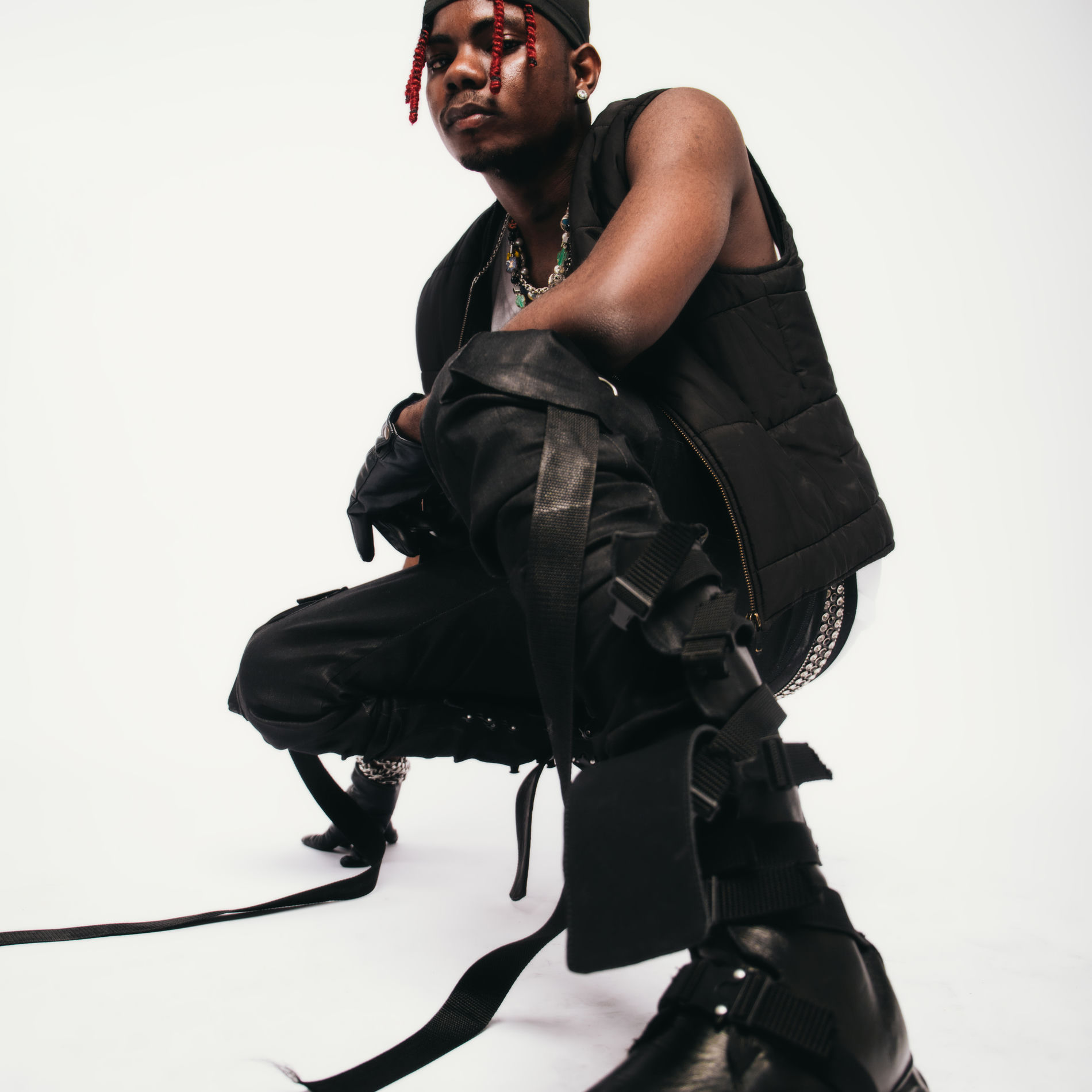
Lagos, Nigeria - DJ 808, a rising star in the Nigerian music industry, has announced the release of his latest single "Cover Me" featuring the award-winning Nigerian artist, Peruzzi and South African producer, Caltonic SA.
.jpeg)
The highly anticipated song is set to drop on Friday and promises to be a hit among music lovers. This release is the first single off his forthcoming debut EP titled, ‘808 Rhapsody’, set for release this June.
"Cover Me" is a unique blend of Afro-pop, infused with a catchy Amapiano beat that is sure to get listeners moving. DJ 808 showcases his exceptional talent and creativity as a DJ, Caltonic SA brings the smooth Amapiano vibes while Peruzzi adds his soulful voice to the mix, delivering an unforgettable performance.

Speaking about the collaboration, DJ 808 said, "I have always wanted to work with South African producer, Caltonic SA. He sent over some beats, I picked the one I felt was the best and I added some ‘DJ 808’ recipes to brighten the beat to my own perfect taste. I immediately reached to my Manager so we could brainstorm on who would kill this beat, we figured Peruzzi was a perfect match. Peruzzi heard the beat and fell in love with the beat immediately! We vibed in the studio and everything was just one take; vibes upon vibes."
Peruzzi, who is known for his hit songs such as "Majesty" and "Amaka," expressed his excitement for the release of "Cover Me." He said, "Working with DJ 808 on this song was an incredible experience. We put a lot of work into creating something unique that our fans will love, and I cannot wait for them to hear it."
"Cover Me" is expected to be a chart-topper and a party favorite, showcasing DJ 808's talent and creativity as a DJ and producer.
Listen to ‘Cover me’ here
For more information, follow @dj808__ on social media.


.png)


.jpeg)