In the late 2000s and early 2010s, underground rave culture was rebranded as Electronic Dance Music (EDM). Festivals like Electric Daisy Carnival (EDC) and Tomorrowland turned what was once a gritty subculture into a multi-billion-dollar tourist industry.
Brands like Taco Bell have partnered with hardcore bands for events, signaling a shift where "rebellious" energy is used for commercial appeal.
For analysis of reality TV party culture, see: Reality TV Analysis
The energy was palpable, and the party showed no signs of slowing down. The next DJ took over, dropping a heavy, bass-thumping track that sent the crowd into a frenzy. People were jumping, screaming, and having the time of their lives. party hardcore gone crazy vol 17 xxx 640x360 better
Before tracing its migration to the mainstream, we must define the source code. "Party hardcore" is not merely a music genre (though it borrows heavily from Hardcore, Gabber, and Frenchcore). It is a visual and behavioral aesthetic.
Beyond user-generated content, mainstream popular media has actively adopted the tropes of the hardcore party scene to signify edge, youthfulness, or psychological intensity.
In the modern era, the distinction between "content" and "adult content" has blurred. The rise of platforms like TikTok has democratized the "Party Hardcore" aesthetic without the hardcore element. In the late 2000s and early 2010s, underground
It is impossible to analyze the phrase "party hardcore gone entertainment" without acknowledging its significant footprint in adult entertainment. Due to the linguistic overlap of the word "hardcore," the phrase was rapidly co-opted as a highly effective Search Engine Optimization (SEO) tag by adult media networks.
In film and scripted television (such as HBO's Euphoria ), extreme partying is frequently deployed as a metaphor for youthful alienation, a coping mechanism for trauma, or a catalyst for character downfall. The Digital Age: Algorithmic Hardcore and Creator Culture
In the current era of short-form video, "party hardcore" has been distilled into . We see this in "aftermovies" for massive festivals like Tomorrowland or EDC. High-speed editing, strobe effects, and bass-heavy transitions create a version of "party hardcore" that is purely aesthetic. It’s entertainment designed for the "scroll," prioritizing the look of the party over the actual experience. The Commercialization of Rebellion For analysis of reality TV party culture, see:
Today, "party content" is a massive vertical on social media. Influencers film "girls' trip" vlogs, club outings, and DJ sets. The visual language is identical to the adult genre of the 2000s: fisheye lenses, POV shots from the DJ booth, and crowds raising their hands in ecstasy. However, the content is now sanitized for advertisers (ASF—"Adult Situations and Friendly").
The keyword explicitly references indicating it is part of a numbered series produced by a studio, likely Private Media Group , a major European producer during this period. The "XXX" label firmly classifies the content as explicitly hardcore.

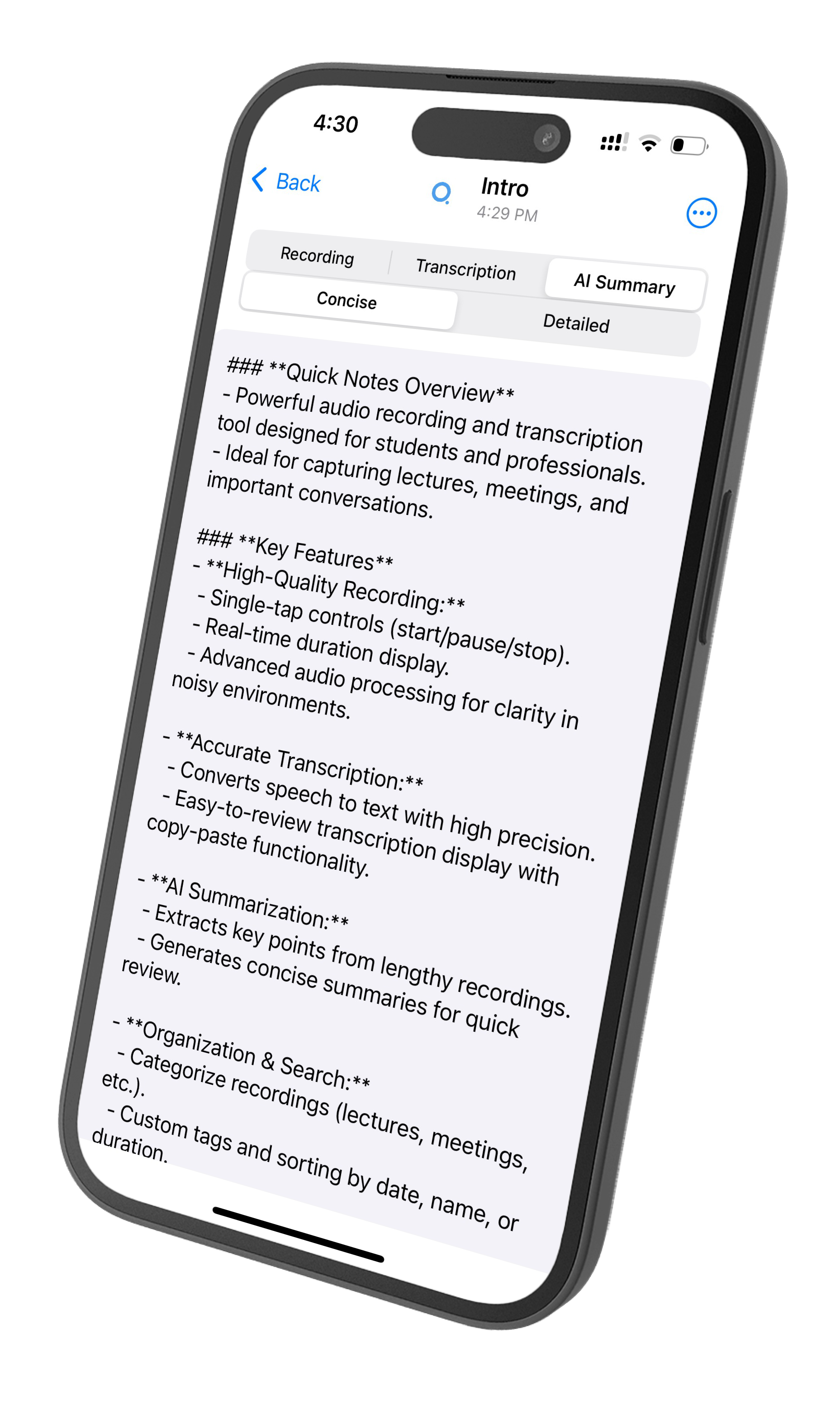
QuickNotes' advanced AI automatically creates concise summaries of your notes, helping you capture the key points without reading the entire text.
Our app provides intuitive tools for categorizing and tagging your notes, making them easy to find later when you need them most.
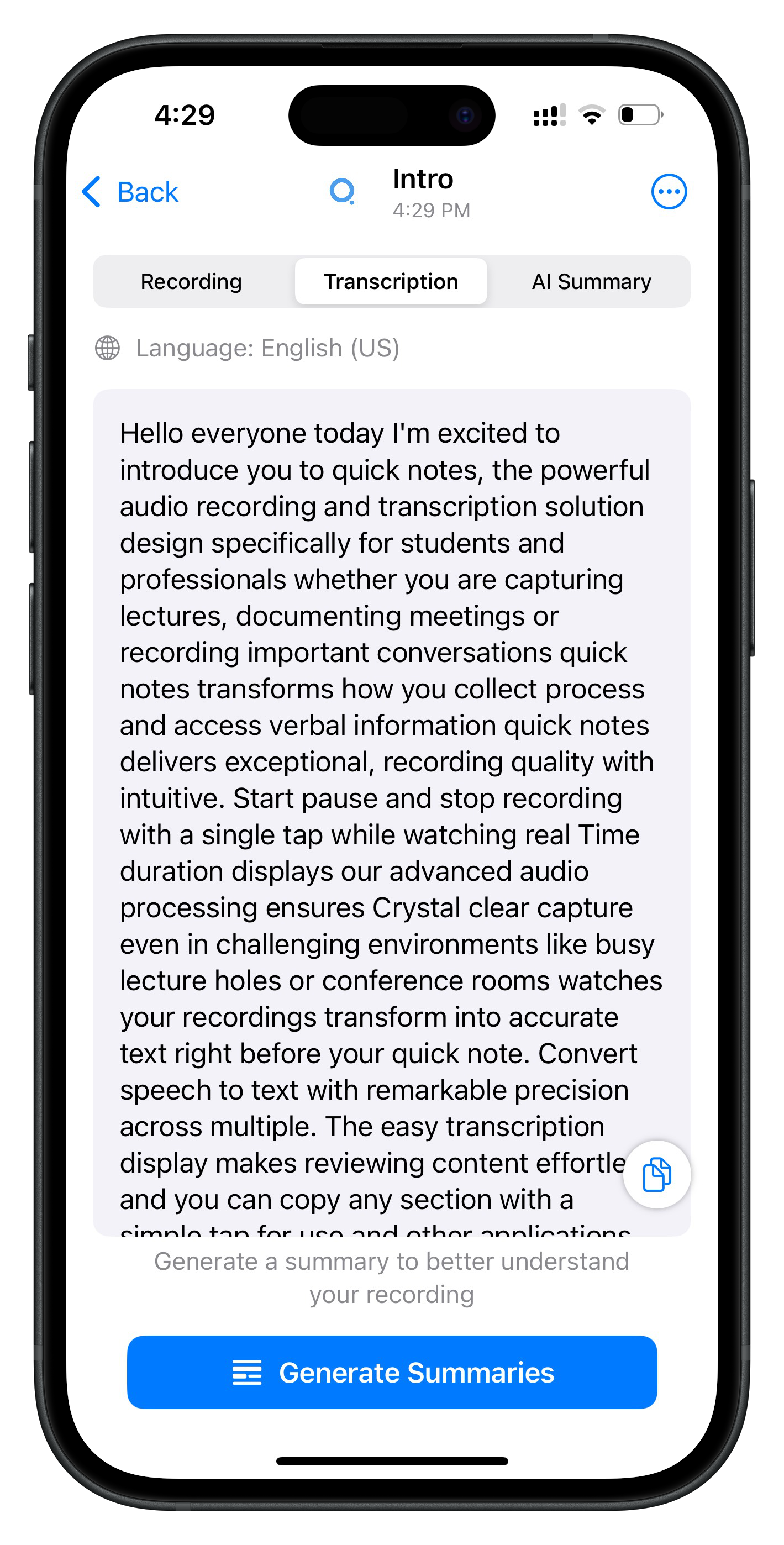
Find exactly what you're looking for with our powerful search that understands context and meaning, not just keywords.
Our AI technology automatically analyzes your notes and extracts the most important information, saving you time and helping you focus on what matters most.
QuickNotes revolutionizes the way you take and organize notes with our powerful AI technology. Download our app today and experience the convenience of automatic summaries, smart organization, and seamless syncing across all your devices.
Get QuickNotes from the App Store for free.
Sign up to access your personalized workspace and unlock all features.
Begin writing and let our AI handle summaries and organization automatically.
In the late 2000s and early 2010s, underground rave culture was rebranded as Electronic Dance Music (EDM). Festivals like Electric Daisy Carnival (EDC) and Tomorrowland turned what was once a gritty subculture into a multi-billion-dollar tourist industry.
Brands like Taco Bell have partnered with hardcore bands for events, signaling a shift where "rebellious" energy is used for commercial appeal.
For analysis of reality TV party culture, see: Reality TV Analysis
The energy was palpable, and the party showed no signs of slowing down. The next DJ took over, dropping a heavy, bass-thumping track that sent the crowd into a frenzy. People were jumping, screaming, and having the time of their lives.
Before tracing its migration to the mainstream, we must define the source code. "Party hardcore" is not merely a music genre (though it borrows heavily from Hardcore, Gabber, and Frenchcore). It is a visual and behavioral aesthetic.
Beyond user-generated content, mainstream popular media has actively adopted the tropes of the hardcore party scene to signify edge, youthfulness, or psychological intensity.
In the modern era, the distinction between "content" and "adult content" has blurred. The rise of platforms like TikTok has democratized the "Party Hardcore" aesthetic without the hardcore element.
It is impossible to analyze the phrase "party hardcore gone entertainment" without acknowledging its significant footprint in adult entertainment. Due to the linguistic overlap of the word "hardcore," the phrase was rapidly co-opted as a highly effective Search Engine Optimization (SEO) tag by adult media networks.
In film and scripted television (such as HBO's Euphoria ), extreme partying is frequently deployed as a metaphor for youthful alienation, a coping mechanism for trauma, or a catalyst for character downfall. The Digital Age: Algorithmic Hardcore and Creator Culture
In the current era of short-form video, "party hardcore" has been distilled into . We see this in "aftermovies" for massive festivals like Tomorrowland or EDC. High-speed editing, strobe effects, and bass-heavy transitions create a version of "party hardcore" that is purely aesthetic. It’s entertainment designed for the "scroll," prioritizing the look of the party over the actual experience. The Commercialization of Rebellion
Today, "party content" is a massive vertical on social media. Influencers film "girls' trip" vlogs, club outings, and DJ sets. The visual language is identical to the adult genre of the 2000s: fisheye lenses, POV shots from the DJ booth, and crowds raising their hands in ecstasy. However, the content is now sanitized for advertisers (ASF—"Adult Situations and Friendly").
The keyword explicitly references indicating it is part of a numbered series produced by a studio, likely Private Media Group , a major European producer during this period. The "XXX" label firmly classifies the content as explicitly hardcore.