
Adverti horiz upsell

Solving complex engineering systems.

Mathcad 14 is legacy software; official vendor support has ended for many older versions. Users running Mathcad 14 on modern Windows versions may need compatibility adjustments or virtualization. For long-term use, consider migrating to newer Mathcad Prime editions or alternative tools (e.g., MATLAB, Python with NumPy/SymPy) depending on workflow needs.

This was the first version to support Unicode comprehensively, enabling engineers to use localized characters in their documentation and variable names, which significantly aided global collaboration.

The Mathcad 14 interface consists of several key components:

Mathcad 14 introduced massive structural and architectural updates aimed at global scalability and deeper mathematical rigor. 1. Full Internationalization and Multi-Language Support

New features were added to the user interface to streamline the workflow for creating and editing calculations. Common Applications of Mathcad 14

Combining experimental data with theoretical models to validate design assumptions. Why Choose Mathcad 14 for Technical Work?

A major architectural shift in version 14 was the transition to full Unicode support. This enabled global engineering teams to use local characters, symbols, and languages within the math formulas and text annotations without formatting corruption. Integration and Interoperability

: Changing a single input variable instantly updates every dependent formula and chart downstream. Groundbreaking Features Introduced in Mathcad 14

Mathcad 14 represents a significant milestone in the history of engineering calculation software, providing a powerful, intuitive environment for solving complex mathematical problems. Developed by PTC, Mathcad 14 built upon its predecessor's strengths to provide enhanced computational power, better documentation capabilities, and improved integration with other engineering tools. Even with newer versions available, many engineers still utilize Mathcad 14 for its reliability in technical computing. What is Mathcad 14?

In mechanical and structural engineering, Mathcad 14 was extensively used to evaluate stress, strain, and vibrational frequencies. For example, researchers utilized the platform to construct analytical models for composite laminated piping and to calculate the dynamic strength of locomotive bogie frames via Fourier and Bubnov-Galerkin methods. Mathcad 14 Users Guide | PDF - Scribd

PTC Mathcad 14 represents the definitive era where mathematical calculation software evolved into an enterprise-ready engineering tool. By marrying live math formulas, automated unit tracking, and robust symbolic processing with PLM and CAD workflows, it established a documentation methodology that continues to influence how engineers validate and communicate their designs today.

Because the equations are visible and in a clear format, it is much easier to locate errors compared to checking cell-by-cell in a spreadsheet. System Requirements and Installation

Mathcad 14 Fixed Jun 2026

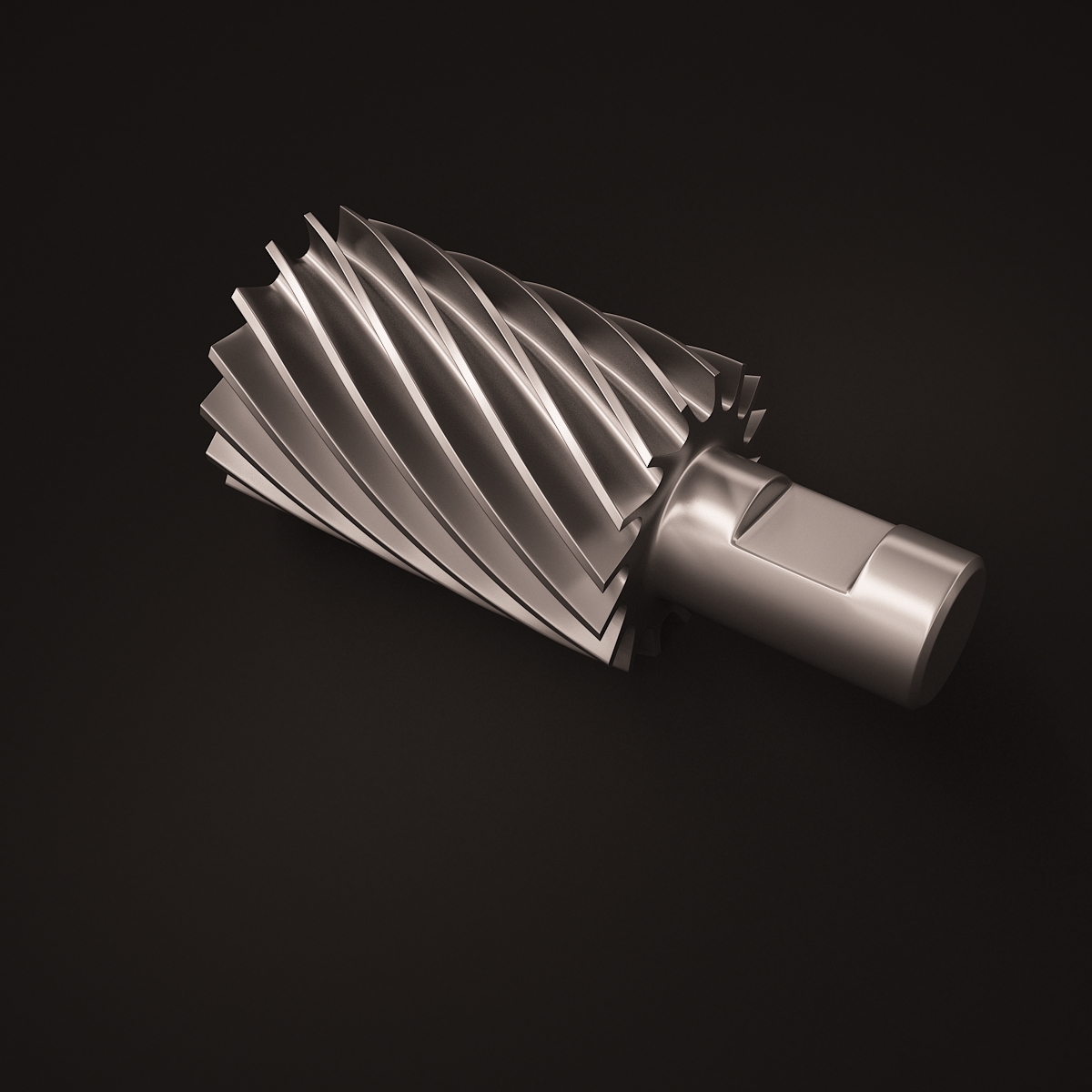
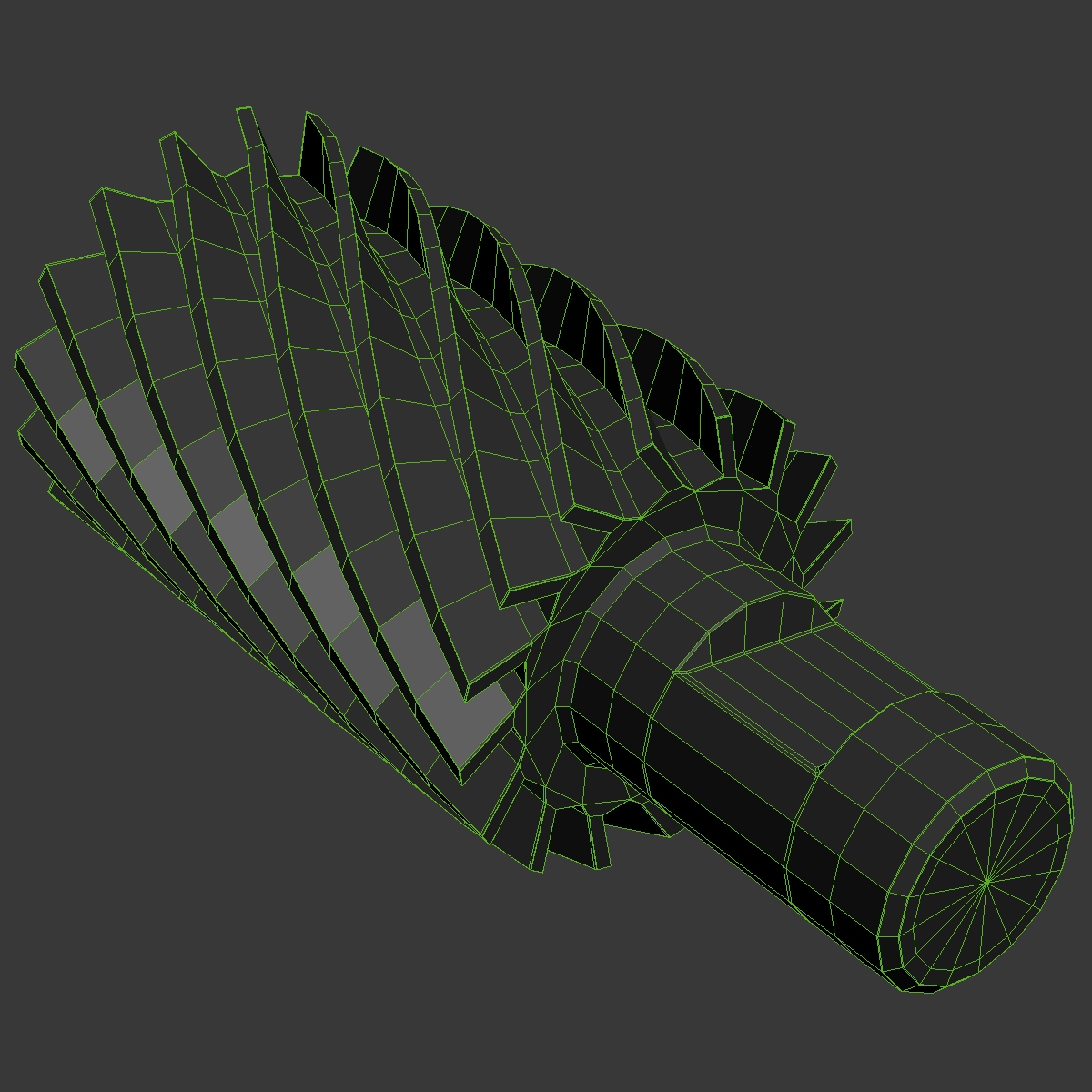
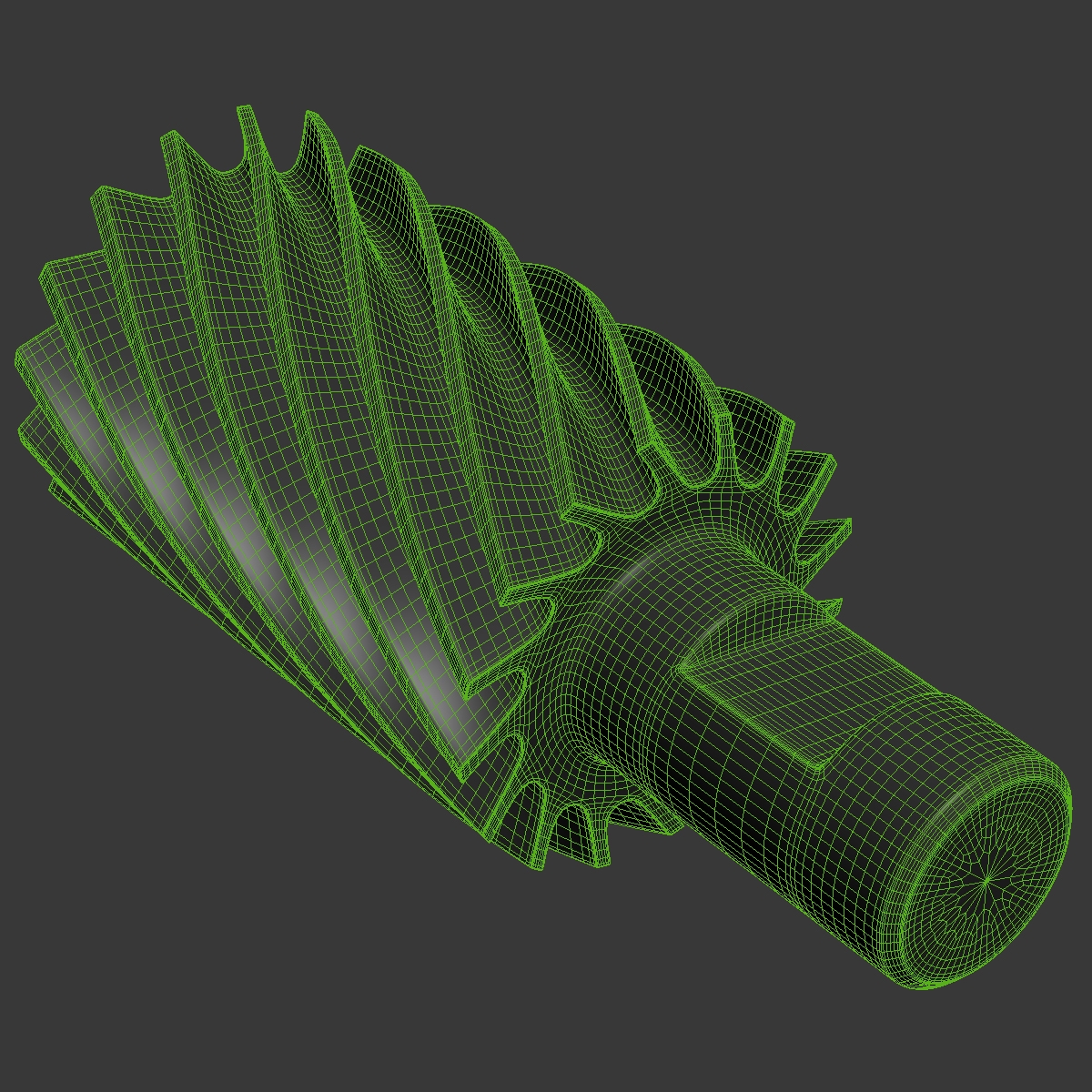
Milling machine cutter 3D model

License
Button download
239 Downloads

Compatibility

Formats

  • Cinema 4D (.c4d) - vR9
  • 3ds Max (.max) - v8
  • OBJ (.obj)
  • Maya (.ma, .mb) - v6
  • 3ds Max (.max) - v8
  • Autodesk FBX (.fbx)

Specifications

MaterialsYes
GeometryPolygonal
Polygons32664
Vertices32666
Detail Levelhigh

History

Created:07/19/2011
Last Modified:03/06/2012
Total Size of Files: 6.94 MB

Mathcad 14 Fixed Jun 2026

Solving complex engineering systems.

Mathcad 14 is legacy software; official vendor support has ended for many older versions. Users running Mathcad 14 on modern Windows versions may need compatibility adjustments or virtualization. For long-term use, consider migrating to newer Mathcad Prime editions or alternative tools (e.g., MATLAB, Python with NumPy/SymPy) depending on workflow needs.

This was the first version to support Unicode comprehensively, enabling engineers to use localized characters in their documentation and variable names, which significantly aided global collaboration.

The Mathcad 14 interface consists of several key components: mathcad 14

Mathcad 14 introduced massive structural and architectural updates aimed at global scalability and deeper mathematical rigor. 1. Full Internationalization and Multi-Language Support

New features were added to the user interface to streamline the workflow for creating and editing calculations. Common Applications of Mathcad 14

Combining experimental data with theoretical models to validate design assumptions. Why Choose Mathcad 14 for Technical Work? Solving complex engineering systems

A major architectural shift in version 14 was the transition to full Unicode support. This enabled global engineering teams to use local characters, symbols, and languages within the math formulas and text annotations without formatting corruption. Integration and Interoperability

: Changing a single input variable instantly updates every dependent formula and chart downstream. Groundbreaking Features Introduced in Mathcad 14

Mathcad 14 represents a significant milestone in the history of engineering calculation software, providing a powerful, intuitive environment for solving complex mathematical problems. Developed by PTC, Mathcad 14 built upon its predecessor's strengths to provide enhanced computational power, better documentation capabilities, and improved integration with other engineering tools. Even with newer versions available, many engineers still utilize Mathcad 14 for its reliability in technical computing. What is Mathcad 14? For long-term use, consider migrating to newer Mathcad

In mechanical and structural engineering, Mathcad 14 was extensively used to evaluate stress, strain, and vibrational frequencies. For example, researchers utilized the platform to construct analytical models for composite laminated piping and to calculate the dynamic strength of locomotive bogie frames via Fourier and Bubnov-Galerkin methods. Mathcad 14 Users Guide | PDF - Scribd

PTC Mathcad 14 represents the definitive era where mathematical calculation software evolved into an enterprise-ready engineering tool. By marrying live math formulas, automated unit tracking, and robust symbolic processing with PLM and CAD workflows, it established a documentation methodology that continues to influence how engineers validate and communicate their designs today.

Because the equations are visible and in a clear format, it is much easier to locate errors compared to checking cell-by-cell in a spreadsheet. System Requirements and Installation

People who favorited this item:

  • Nikita Miharev
    Nikita Miharev
  • emai
    emai