
...
...

Leave your contact details and our
consultant will contact you
new version - DrufelCNC 1.20


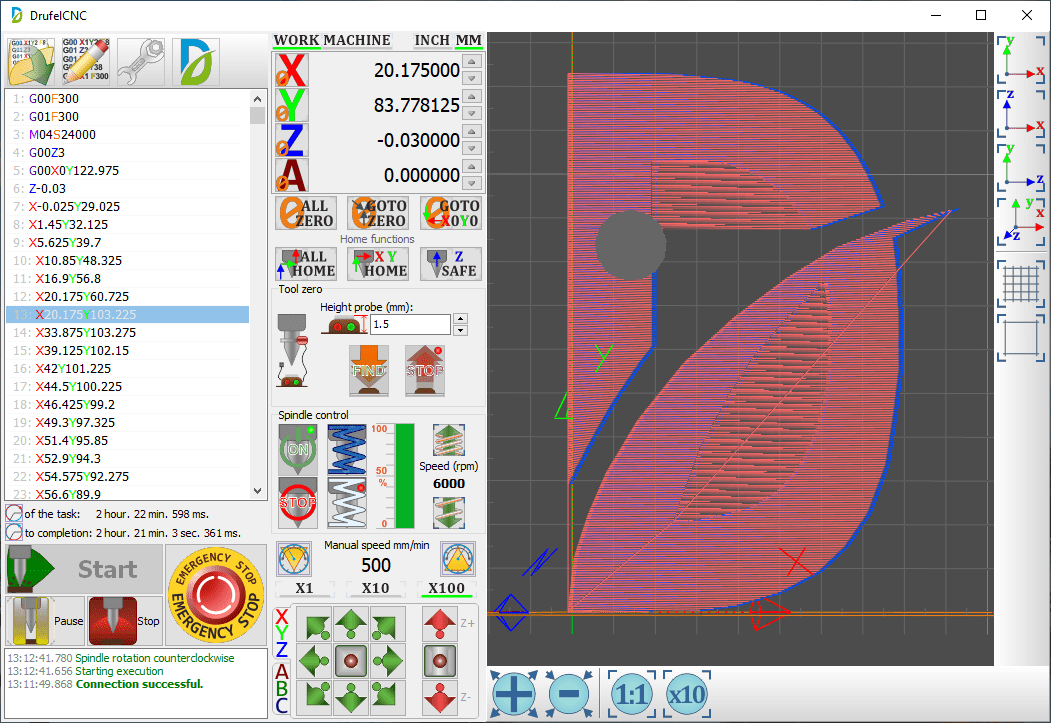
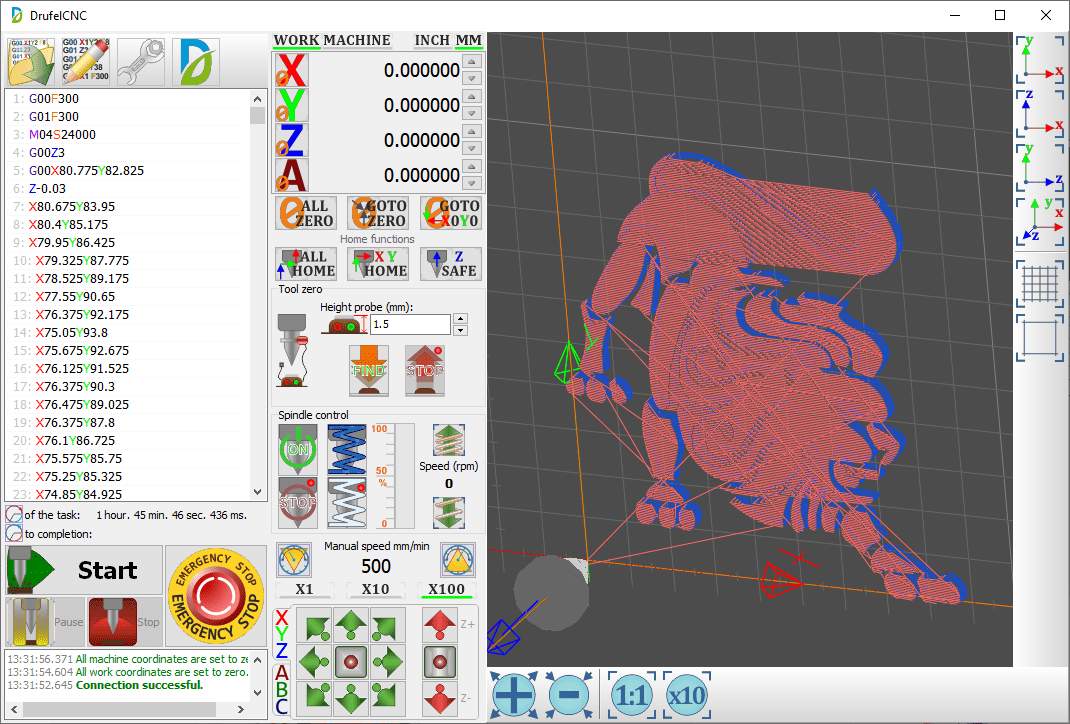
Main window
Main window 3D model
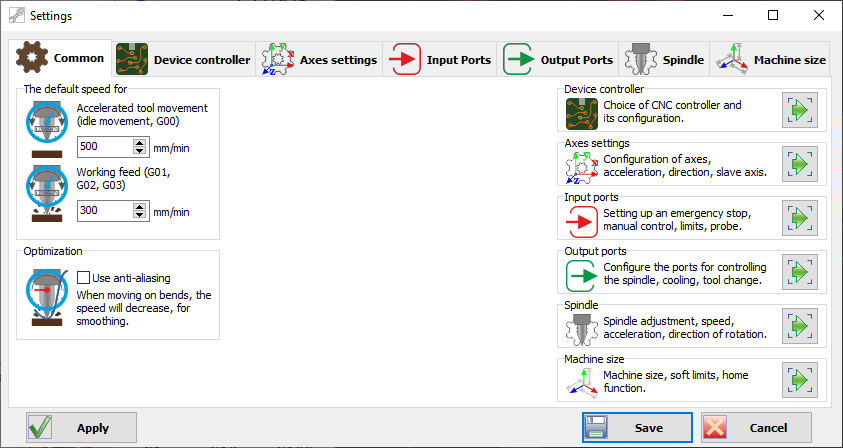
Common settings
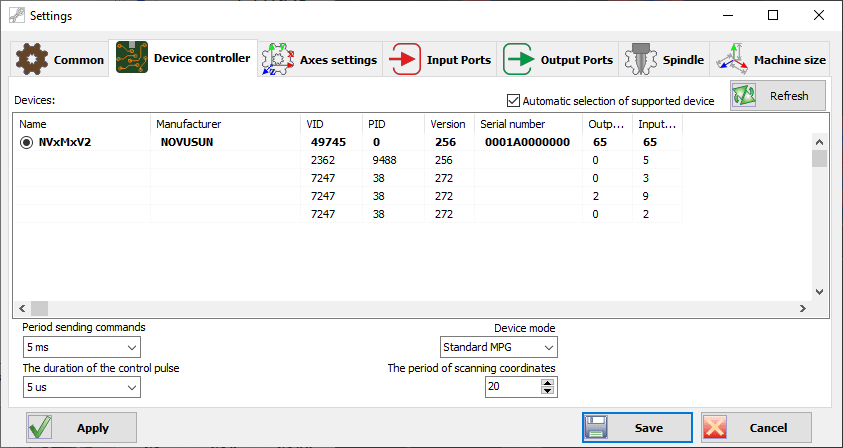
Controllers settings
Axes settings
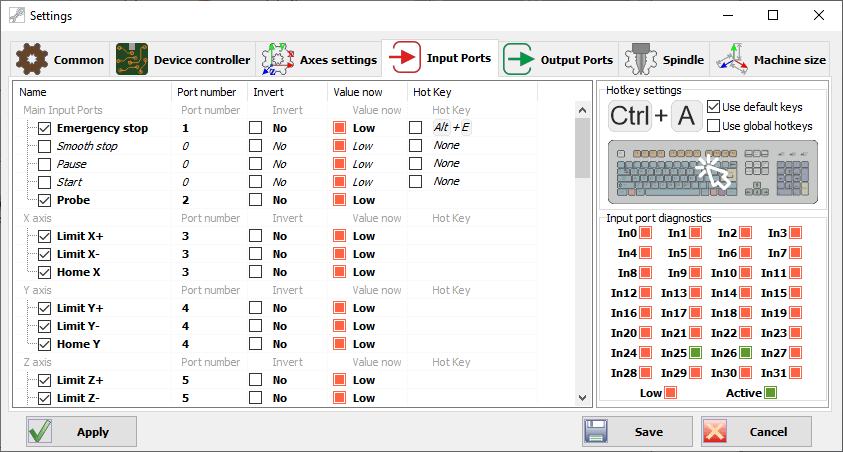
Input ports
Output ports
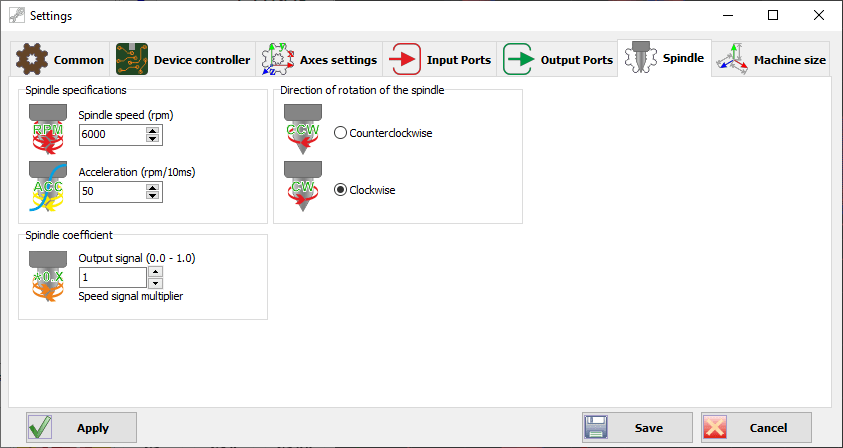
Spindle
Machine size
Manual control ABC
Tool zero
View the XY plane in 3D
View the XZ plane in 3D
View the ZY plane in 3D
View in 3D
Who is the audience for the repack? Analysis of comments on the Internet Archive page (n=112) reveals a primary demographic: adults aged 25-35 (Millennials and older Gen Z) who were not children in 2013, but young parents or older siblings. Typical comments include:
To understand the value of these files, one must first understand the terminology. In the world of digital archiving and file sharing, a "repack" typically refers to a file that has been re-encoded or re-uploaded to fix technical issues present in a previous release.
Before we discuss the 2013 collection, we need to decode the jargon. In file-sharing and archival communities, a is not a new show or an official release. It is a digital folder—a curated collection of files that have been compressed, bundled, and re-uploaded to ensure integrity.
Unlike raw, fragmented uploads, a dedicated preservationist usually compiles a repack. For television broadcasts, a high-quality repack typically includes: Full-length episodes with original commercials. Network promotional bumpers and station IDs.
A 2013-era broadcast package is highly sought after because it captures the exact broadcast versions of iconic shows, including:
The "repack" is more than just episodes. It is a rich media variety pack. Here are the typical components one can find within the Nick Jr. 2013 archives on the Internet Archive:
: The "repack" often includes the era's specific "curtain" bumpers and character-themed idents that defined the network's visual identity. A Treasure Trove for Archivists Internet Archive
The VHS of the Digital Age: A Case Study of the “Internet Archive Nick Jr. 2013 Repack” and the Ephemerality of Children’s Television
That said, these files often disappear. If you find a working repack, download it immediately. Do not stream it from Archive.org, as heavy traffic triggers automatic DMCA flags.
: Archives of Flash-based preschool games and video clips that were originally available on the NickJr.com website during that period. Preservation and Accessibility
Who is the audience for the repack? Analysis of comments on the Internet Archive page (n=112) reveals a primary demographic: adults aged 25-35 (Millennials and older Gen Z) who were not children in 2013, but young parents or older siblings. Typical comments include:
To understand the value of these files, one must first understand the terminology. In the world of digital archiving and file sharing, a "repack" typically refers to a file that has been re-encoded or re-uploaded to fix technical issues present in a previous release.
Before we discuss the 2013 collection, we need to decode the jargon. In file-sharing and archival communities, a is not a new show or an official release. It is a digital folder—a curated collection of files that have been compressed, bundled, and re-uploaded to ensure integrity.
Unlike raw, fragmented uploads, a dedicated preservationist usually compiles a repack. For television broadcasts, a high-quality repack typically includes: Full-length episodes with original commercials. Network promotional bumpers and station IDs.
A 2013-era broadcast package is highly sought after because it captures the exact broadcast versions of iconic shows, including:
The "repack" is more than just episodes. It is a rich media variety pack. Here are the typical components one can find within the Nick Jr. 2013 archives on the Internet Archive:
: The "repack" often includes the era's specific "curtain" bumpers and character-themed idents that defined the network's visual identity. A Treasure Trove for Archivists Internet Archive
The VHS of the Digital Age: A Case Study of the “Internet Archive Nick Jr. 2013 Repack” and the Ephemerality of Children’s Television
That said, these files often disappear. If you find a working repack, download it immediately. Do not stream it from Archive.org, as heavy traffic triggers automatic DMCA flags.
: Archives of Flash-based preschool games and video clips that were originally available on the NickJr.com website during that period. Preservation and Accessibility


Copyright 2026, TryMirror
 DrufelCNC Installer 32-bit










 5 000 lines of G-code
 No technical support