
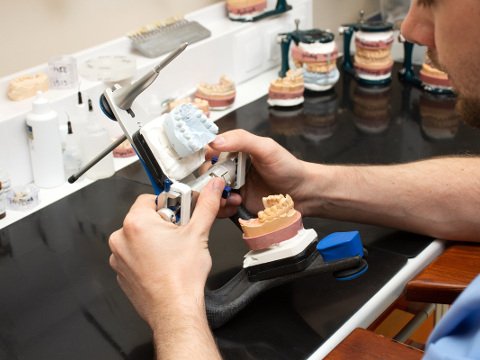
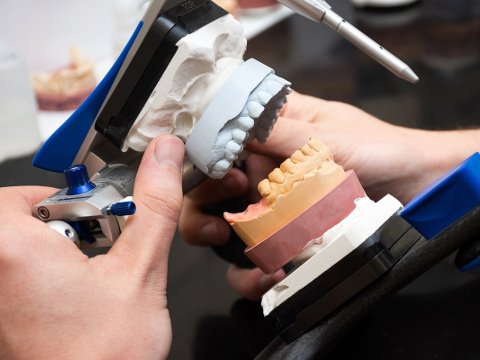
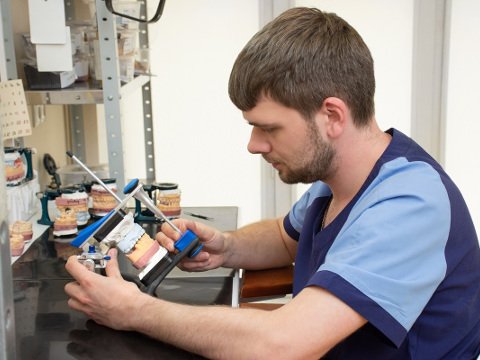
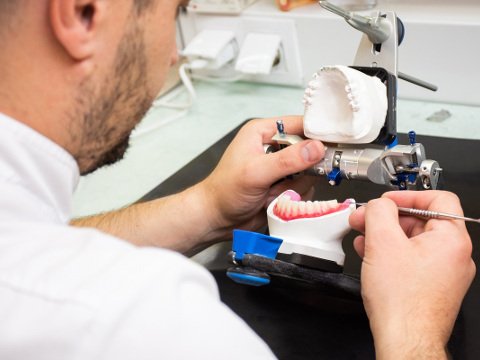
Зуботехническая
лаборатория
лаборатория

















Tone should be respectful, vivid, and slightly immersive, using present tense for immediacy. I'll avoid academic jargon but provide insightful commentary. Need to ensure the article is long enough, with subheadings for readability, and ends naturally without a summary section as per the thinking instruction. Let me write. is a long, in-depth article exploring the vibrant, chaotic, and deeply beautiful tapestry of Indian family life.
While nuclear families are rising in urban centers due to space constraints and career migrations, the "virtual joint family" has emerged. Grandparents often live nearby or stay connected via continuous WhatsApp video calls, maintaining their role as the moral and cultural compass for grandchildren.
To help tailor this content for your specific platform, tell me:
In a haveli (traditional mansion) in the walled city, three brothers live with their wives, children, and aging parents. The morning begins at 5:30 AM when the eldest Bhabhi (sister-in-law) lights the temple lamp. There is no privacy in the Western sense. There is, however, security. When the stock market crashed and the youngest son lost his job, no one panicked. The family kitty covered the bills. When the grandmother forgot her medication, there were seven people to remind her.
This duality creates a rich, complex lifestyle. A young professional might manage a global tech team by day, but come home to remove their shoes, light an incense stick at the family altar, and touch their parents' feet as a mark of respect.
– Grandfather does surya namaskar on the terrace. Grandmother chants Hanuman Chalisa while grinding spices. 7:30 AM – Chaos: one child lost a shoe, the other refuses to eat poha . Daughter-in-law is on a work call already. 1:00 PM – Grandparents eat alone. They discuss their son’s loan and the rising cost of the kids’ coaching classes. 7:00 PM – Everyone home. Daughter-in-law helps kids with Hindi homework; son checks stock market; grandmother watches a soap opera loudly. 10:00 PM – The couple finally sits on the balcony. “How was your day?” “Same. Yours?” “Same.” But they hold hands. That’s love in middle-class India.
To capture the true essence of this lifestyle, we look at two typical family snapshots from different corners of the country. Story 1: The Sharma Joint Family (Old Delhi)
The younger generation is highly globalized, tech-savvy, and entrepreneurial. They champion mental health awareness, career flexibility, and financial independence. Yet, when making major life decisions—such as buying property, switching careers, or choosing a life partner—they still heavily involve and prioritize the blessings of their parents.
The day officially starts with the whistle of the pressure cooker and the aroma of masala chai or filter coffee. Chai is not just a beverage; it is a morning ritual that brings generations together at the kitchen island or the veranda.
Tone should be respectful, vivid, and slightly immersive, using present tense for immediacy. I'll avoid academic jargon but provide insightful commentary. Need to ensure the article is long enough, with subheadings for readability, and ends naturally without a summary section as per the thinking instruction. Let me write. is a long, in-depth article exploring the vibrant, chaotic, and deeply beautiful tapestry of Indian family life.
While nuclear families are rising in urban centers due to space constraints and career migrations, the "virtual joint family" has emerged. Grandparents often live nearby or stay connected via continuous WhatsApp video calls, maintaining their role as the moral and cultural compass for grandchildren.
To help tailor this content for your specific platform, tell me:
In a haveli (traditional mansion) in the walled city, three brothers live with their wives, children, and aging parents. The morning begins at 5:30 AM when the eldest Bhabhi (sister-in-law) lights the temple lamp. There is no privacy in the Western sense. There is, however, security. When the stock market crashed and the youngest son lost his job, no one panicked. The family kitty covered the bills. When the grandmother forgot her medication, there were seven people to remind her.
This duality creates a rich, complex lifestyle. A young professional might manage a global tech team by day, but come home to remove their shoes, light an incense stick at the family altar, and touch their parents' feet as a mark of respect.
– Grandfather does surya namaskar on the terrace. Grandmother chants Hanuman Chalisa while grinding spices. 7:30 AM – Chaos: one child lost a shoe, the other refuses to eat poha . Daughter-in-law is on a work call already. 1:00 PM – Grandparents eat alone. They discuss their son’s loan and the rising cost of the kids’ coaching classes. 7:00 PM – Everyone home. Daughter-in-law helps kids with Hindi homework; son checks stock market; grandmother watches a soap opera loudly. 10:00 PM – The couple finally sits on the balcony. “How was your day?” “Same. Yours?” “Same.” But they hold hands. That’s love in middle-class India.
To capture the true essence of this lifestyle, we look at two typical family snapshots from different corners of the country. Story 1: The Sharma Joint Family (Old Delhi)
The younger generation is highly globalized, tech-savvy, and entrepreneurial. They champion mental health awareness, career flexibility, and financial independence. Yet, when making major life decisions—such as buying property, switching careers, or choosing a life partner—they still heavily involve and prioritize the blessings of their parents.
The day officially starts with the whistle of the pressure cooker and the aroma of masala chai or filter coffee. Chai is not just a beverage; it is a morning ritual that brings generations together at the kitchen island or the veranda.





 Контакты
 Режим работы
 Как добраться