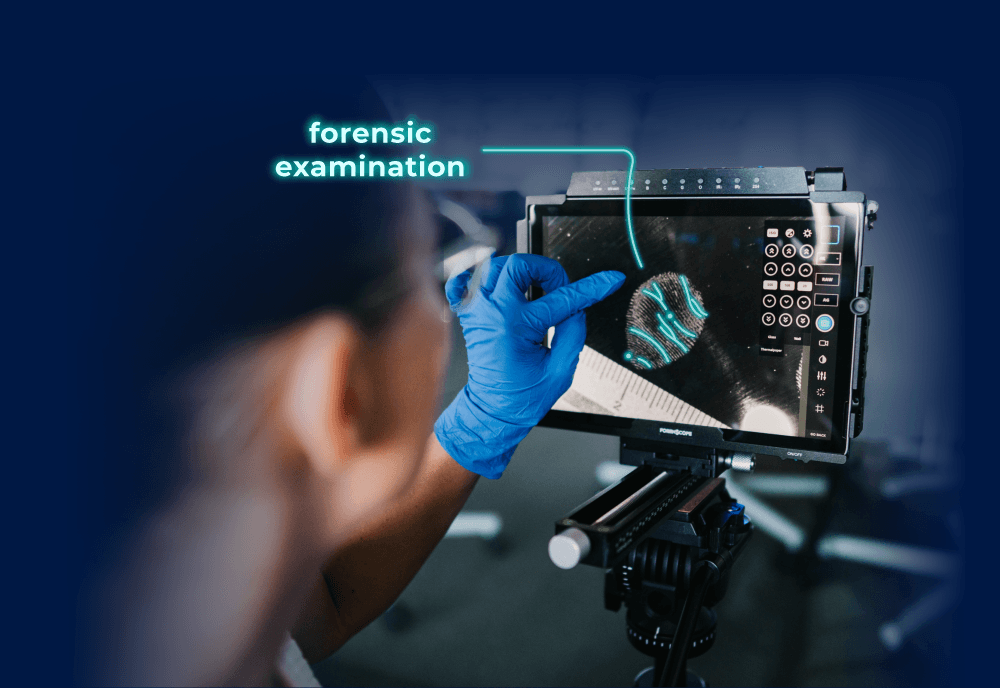
Image Capture
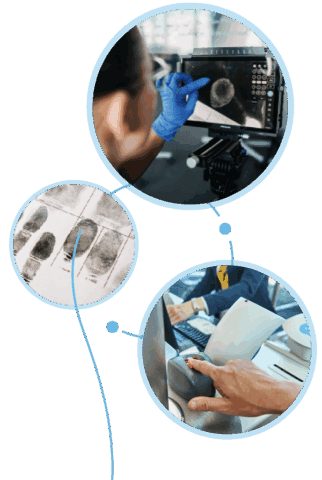
The first step is to capture an image of the fingerprint. This is typically done using specialized fingerprint scanners, which may utilize different technologies such as optical, capacitive, or ultrasound.
Innovatrics fingerprint recognition is trusted worldwide by governments and businesses for its speed and accuracy, and consistently a top performer in independent biometric benchmarks such as NIST.
Talk to our team
When you invest in a high-end LG OLED TV, you are paying for industry-leading color accuracy, deep blacks, and a premium cinematic experience. To truly unlock that potential, professional-grade calibration is required. This is where by Portrait Displays comes in.
: Excellent for generating 3D LUTs, primarily used for computer monitors but adaptable for TVs. 3. Renting Hardware and Software
is a specialized color calibration tool designed specifically to unlock the professional-grade visual potential of LG OLED and 4K UHD TVs 1. What is Calman Home for LG?
It generates high-precision LUTs to correct grayscale and color accuracy, storing them directly within the TV's internal processor.
Achieving picture-perfect accuracy on a modern LG OLED or UHD TV requires more than just adjusting the brightness and contrast settings. To get the exact image the director intended, a full color calibration is necessary. is recognized as the industry-standard software for this task, allowing users to automate the complex calibration of 1D and 3D lookup tables (LUTs) in LG displays.
: Modern versions of Calman utilize secure digital licensing that frequently verifies your credentials with Portrait Displays servers. Cracked versions bypass this by altering the underlying executable code, which routinely breaks network communication stability.
Websites promising a "crack full" version of Calman typically use deceptive download buttons to bundle malicious payloads. These packages often contain trojans, spyware, and ransomware designed to steal personal identity data, banking credentials, and web browser autofill information from your PC. 2. The Physical Hardware Dependency
A hardware device like the X-Rite i1Display Pro or Datacolor SpyderX that "reads" the light from your screen.
Do you already own a (colorimeter)?
Fingerprint identification is the most widely adopted biometric worldwide, with legal frameworks and standards already in place.
Massive fingerprint archives already exist in law enforcement, border agencies, and civil registries, making integration faster and more effective.
Simple and inexpensive devices can capture fingerprints instantly, in almost any environment, making it easy to deploy at scale.
Proven over decades of forensic and civil use to deliver consistent, reliable matches, even from partial or low-quality fingerprints.
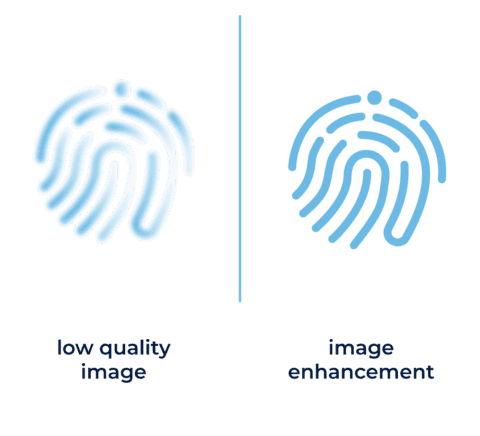
The first step is to capture an image of the fingerprint. This is typically done using specialized fingerprint scanners, which may utilize different technologies such as optical, capacitive, or ultrasound.
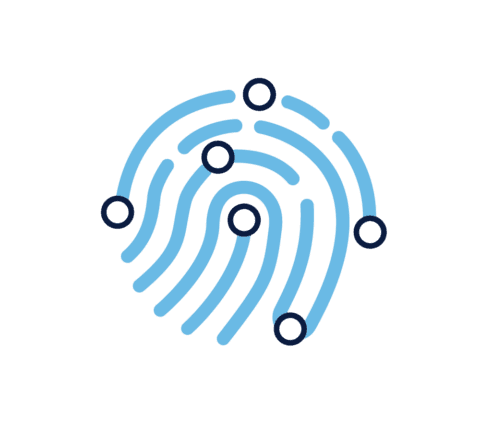
Once the fingerprint image is captured, the system extracts specific features from it. These include ridge endings, minutiae, bifurcations, and other unique characteristics of the fingerprint.
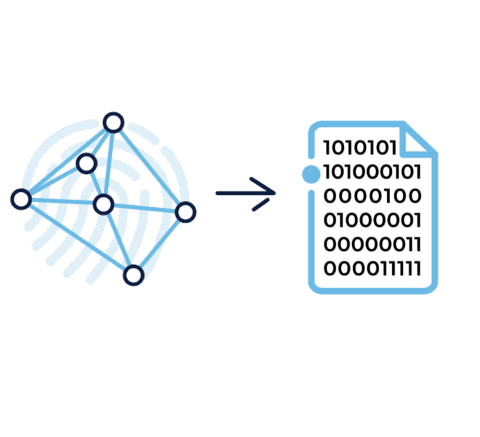
The extracted features are then used to create a digital template of the fingerprint, capturing its unique attributes and making it easier to compare with other records.
1:1 fingerprint verification is the process of confirming whether a captured fingerprint matches a single enrolled record. Instead of searching across an entire database, the system only checks if the person is who they claim to be. It requires extremely high accuracy, since even small errors can lead to false rejections or unauthorized access.
This type of verification is used every day for secure and convenient authentication. Employees can clock in at work using fingerprint readers, while civil registries rely on it to ensure a person’s claimed identity matches the records on file. It’s fast, simple, and reliable, and one of the most widely adopted biometric methods worldwide.

1:N fingerprint identification is the process of taking a single fingerprint sample and comparing it against a large database of stored prints to discover someone’s identity. Because the search may involve thousands or millions of records, systems need to be fast enough to deliver results instantly, and precise enough to avoid false matches.
In real-world use cases, 1:N identification is vital for law enforcement, border security, and civil ID systems. Investigators can take latent prints from a crime scene and search it against national databases to identify a suspect. Border agencies can instantly check a traveler’s fingerprints against watchlists. Civil registries use it to prevent duplicate enrollments and ensure every citizen is registered only once.
Since 2004, Innovatrics have consistently ranked among the best in the world in independent biometric benchmark evaluations and certifications.
A key benchmark for evaluating fingerprint template generation and matching. High MINEX scores demonstrate interoperability and accuracy, critical for large-scale ID systems and border control programs.
Evaluates the accuracy and speed of proprietary fingerprint matching algorithms. Strong PFT II results demonstrate top performance in native systems, essential for forensic and high-security applications.
Essential for law enforcement working with latent fingerprints, where prints are often partial or low quality. Strong ELFT performance ensures faster, more accurate suspect identification.
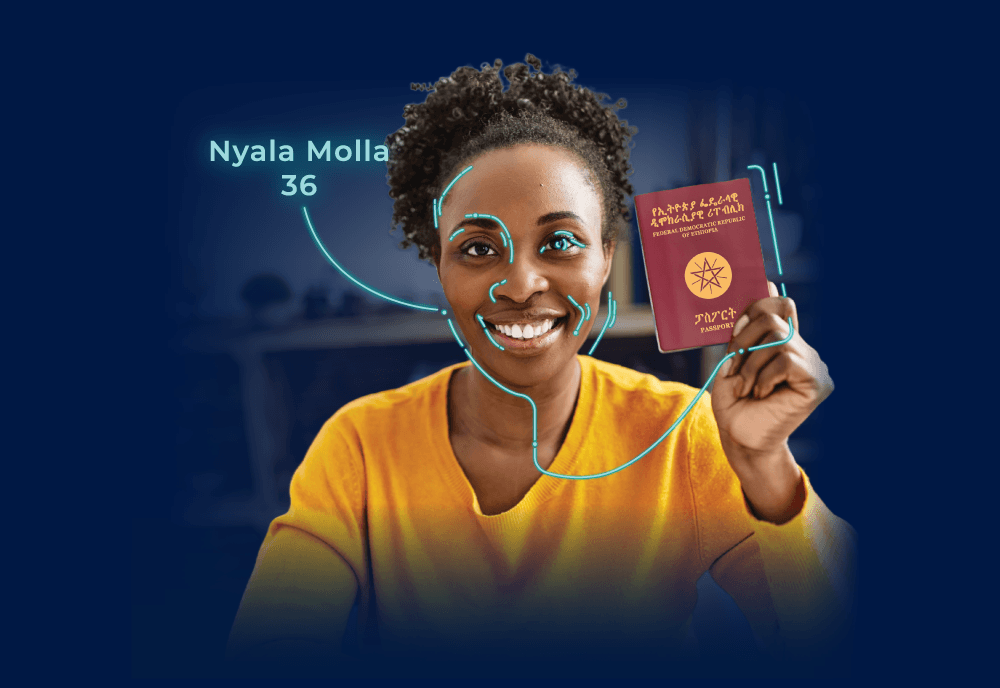
In national ID programs, fingerprint recognition makes sure every citizen has one unique and verifiable identity, building trust in government services and enabling secure digital access.
Find out how
Our passion for technology brings biometric benefits to millions of people.