
indian traditional wedding edius title free download
indian traditional wedding edius title free download

If you are looking for a physical or digital scan of a specific 1972 Assamese calendar (like the Panjika ), here are a few tips:
+--------------------------------------------------------------+ | 1972 CALENDAR SYSTEM | +------------------------------+-------------------------------+ | GREGORIAN CALENDAR | ASSAMESE CALENDAR | +------------------------------+-------------------------------+ | * Solar-based | * Solar-Lunar (Sidereal) | | * Starts January 1 | * Starts mid-April (Bohag) | | * 1972: Leap Year (366 days) | * Bhaskarabda Era (1378-1379) | +------------------------------+-------------------------------+ The English (Gregorian) Calendar in 1972
The English calendar, also known as the Gregorian calendar, is a solar calendar widely used across the world. It was introduced by Pope Gregory XIII in 1582 and is based on the Earth's orbit around the sun. The English calendar consists of 12 months, with 365 days in a non-leap year and 366 days in a leap year. The calendar is widely used for civil purposes and is the de facto international standard.
The year 1972 was a in the Gregorian calendar, consisting of 366 days . In the Assamese context, this year fell within the Saka Era 1894 and Vikram Samvat 2029 . The 12 Assamese Months and Their English Equivalents assamese and english calendar 1972 top
Assamese months cross over the boundaries of two distinct English months. Below is how the months align chronologically across 1378–1379 Bhāskarābda. Assamese Month (Asamiya) Corresponding English Months (1972) Cultural Significance & Seasonal State April – May Assamese New Year, Rongali Bihu, and early spring Jeth (জেঠ) May – June Intense summer heat and fruit harvesting Ahar (আহাৰ) June – July Peak monsoon season and early paddy cultivation Shaun (শাওন) July – August Heavy agricultural work and transplanting rice Bhadro (ভাদ) August – September Devotional month, Naam-Prasanga in Namghars Ahaun (আহিন) September – October Arrival of autumn, Kati Bihu, clear skies Kati (কাতি) October – November Lean agricultural period, lighting lamps in fields Aghun (আঘোণ) November – December Primary winter harvest season, abundance of food Puh (পুহ) December – January Peak winter cold and mist Magh (মাঘ) January – February End of harvest, Magh Bihu, and community bonfires Phagun (ফাগুন) February – March Spring transition, blooming of Madhumalati/Kapou Chot (চ’ত) March – April End of the Assamese year, preparation for spring Major Festivals and Milestones in 1972
This was the harvest festival. The people of Assam built Mejis and Bhelaghars from bamboo and thatch, burning them on the morning of Magh Bihu to pray to the fire god. It was a time of grand community feasts ( Uruka ) following the successful harvest of winter paddy. 2. Bohag Bihu (Rongali Bihu) – April 1972
The dual holds a unique place in timekeeping history. It tracks both the traditional, cultural rhythms of Assam and the longest recorded year in modern history. If you are looking for a physical or
The calendar is named after and dated from the ascension of the 7th-century ruler Kumar Bhashkar Barman to the throne of the ancient kingdom of Kamarupa (present-day Assam). This era is a point of immense cultural pride and forms the bedrock of Assamese identity. An easy way to understand its relation to the Gregorian calendar is that the Bhaskarabda year is approximately (so, for instance, 1972 CE corresponds to the Assamese years 1378 and 1379).
| English Month | Assamese Month (as in 1972) | No. of Days | Season (Ritu) | | :--- | :--- | :--- | :--- | | January | মাঘ (Magh) | 31 | শিত (Shit - Winter) | | February | ফাগুন (Phagun) | 28/29 | শিত (Shit - Winter) | | March | চ'ত (Söt) | 31 | বসন্ত (Baxonto - Spring) | | April | ব'হাগ (Bohag) | 30 | বসন্ত (Baxonto - Spring) | | May | জেঠ (Zeth) | 31 | গ্ৰীষ্ম (Grishmo - Summer) | | June | আহাৰ (Ahar) | 30 | গ্ৰীষ্ম (Grishmo - Summer) | | July | শাওণ (Xaün) | 31 | বৰ্ষা (Borsha - Rainy) | | August | ভাদ (Bhado) | 31 | বৰ্ষা (Borsha - Rainy) | | September | আহিন (Ahin) | 30 | শৰৎ (Xorot - Autumn) | | October | কাতি (Kati) | 31 | শৰৎ (Xorot - Autumn) | | November | আঘোণ (Aghün) | 30 | হেমন্ত (Hemonto - Pre-winter) | | December | পুহ (Puh) | 31 | হেমন্ত (Hemonto - Pre-winter) | Source: Wikipedia, DimasaThairili, Daily Assamese Calendar
Occurring in mid-January, this festival marked the end of the harvesting period for the 1378 Bhāskarābda cycle. Communities built Mejis (bonfires) and Bhelaghars out of thatch and bamboo, feasting on traditional rice cakes ( pitha ) and laru . 2. Bohag Bihu / Rongali Bihu (April 1972) The calendar is widely used for civil purposes
This comprehensive guide breaks down the structural alignment of the Assamese and English calendars for 1972, details key festivals, and highlights why this specific year remains historically significant for Assam. The Dual-Calendar System Explained
The year 1972 was a transformative period for , marked by significant political reorganization and cultural milestones. While the English calendar followed a leap year, the Assamese calendar—known as —continued its traditional luni-solar cycle, tracking the 593-year difference from the Gregorian era. Assamese Calendar Milestones: 1972
In 1972, the state capital of Assam was shifted from Shillong to Dispur.

indian traditional wedding edius title free download
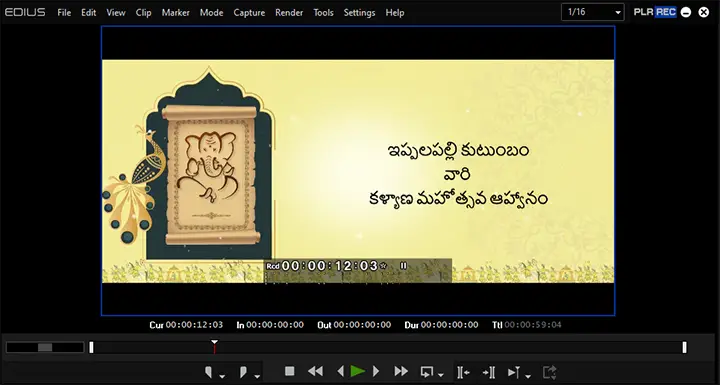
edius South Indian bridal wedding title project
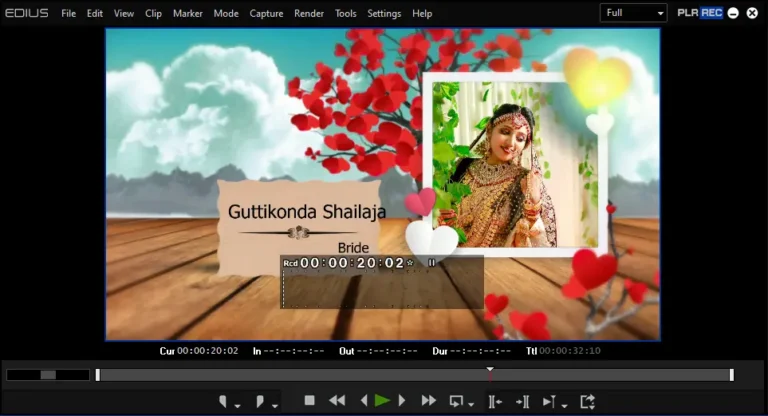
free edius title project
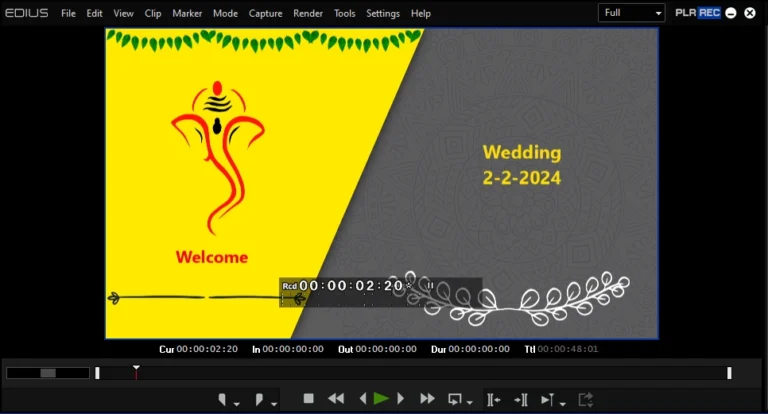
edius text effect edius title free download
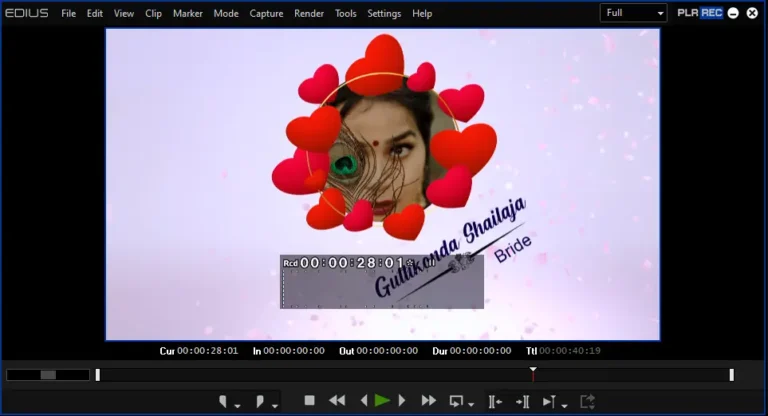
edius Hindi wedding title project download

edius whatsapp invitation project