Network Olympus: Monitoring
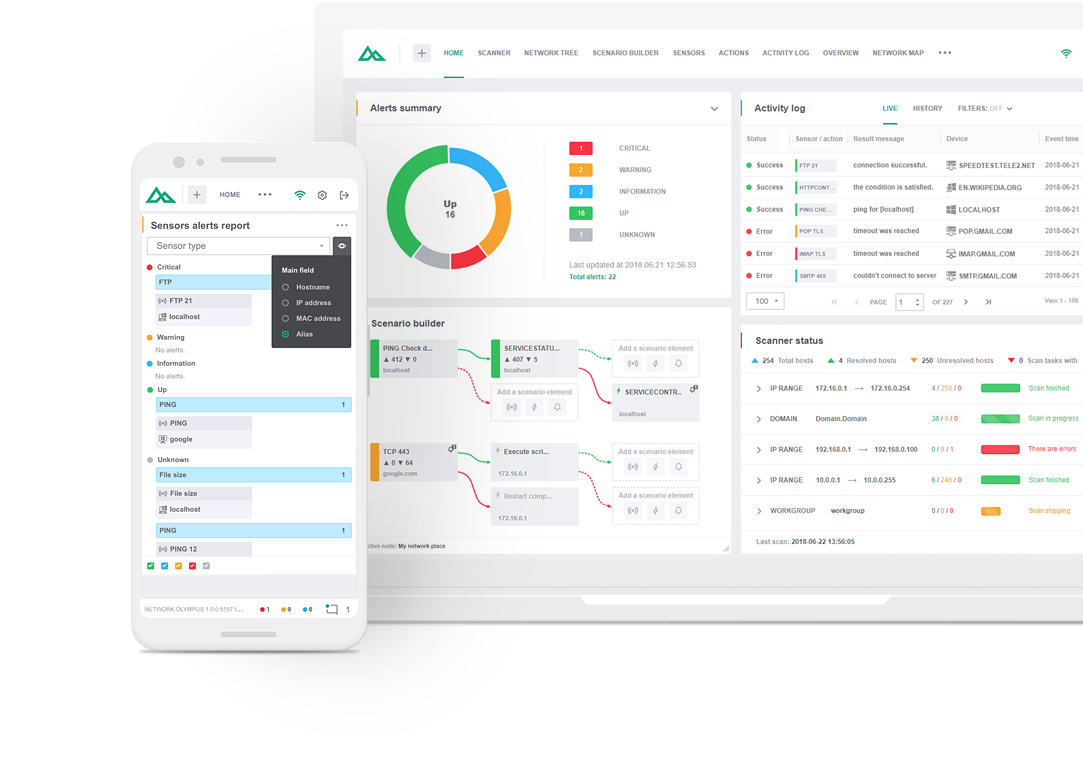
Allows you to perform continuous real-time monitoring of servers.
Version: 1.8.3 - April 16, 2025 - All Windows
Indian culture is punctuated by a calendar of festivals that bring the entire nation to a standstill. These celebrations are deeply tied to the changing seasons, agricultural harvests, and epic mythologies.
Technically a mobile protocol for sending multimedia, but in regional slang, it almost exclusively refers to viral, often unauthorized, private videos. 14 in 1 Top:
These actions are not just cruel; they have devastating and long-lasting consequences for the individuals involved.
This public link is valid for 7 days and shares a thread, including any personal information you added. This link or copies made by others cannot be deleted. If you share with third parties, their policies apply. Can’t copy the link right now. Try again later.
In the secular calendar of the West, holidays are rest days. In India, festivals are intensity amplifiers . They are not breaks from life; they are the purpose of life.
To tell Indian culture stories without mentioning the kitchen is impossible. The Indian pantry is an apothecary. Haldi (turmeric) is not just a spice; it is an antiseptic. Ghee (clarified butter) is not just fat; it is brain food. Karela (bitter gourd) is a punishment and a cure for diabetes in one green package.
In Indian lifestyle, productivity is not the goal. Sukoon (tranquility) is. Whether you are a billionaire in Mumbai or a fisherman in Kerala, the day stops for chai. It is a democratic pause—proof that in India, time moves in circles, not straight lines.
Perhaps the most beautiful love story in the Indian lifestyle is not found in Bollywood films, but on a Mumbai local train: The Dabbawala .
The term "Desi MMS" refers to video clips—often private and intimate—that originate from or are circulated within the Indian subcontinent. The use of "MMS" (Multimedia Messaging Service) is somewhat of a colloquialism, as much of this content today is spread through modern data-based apps like WhatsApp and Telegram, rather than the older mobile technology. The term "Desi" itself is a broad cultural identifier for people, cultures, and products of South Asia and its diaspora.
You cannot write about Indian culture without capturing its festivals, which transform the entire country into a canvas of light, sound, and emotion.
Indian culture is punctuated by a calendar of festivals that bring the entire nation to a standstill. These celebrations are deeply tied to the changing seasons, agricultural harvests, and epic mythologies.
Technically a mobile protocol for sending multimedia, but in regional slang, it almost exclusively refers to viral, often unauthorized, private videos. 14 in 1 Top:
These actions are not just cruel; they have devastating and long-lasting consequences for the individuals involved.
This public link is valid for 7 days and shares a thread, including any personal information you added. This link or copies made by others cannot be deleted. If you share with third parties, their policies apply. Can’t copy the link right now. Try again later.
In the secular calendar of the West, holidays are rest days. In India, festivals are intensity amplifiers . They are not breaks from life; they are the purpose of life.
To tell Indian culture stories without mentioning the kitchen is impossible. The Indian pantry is an apothecary. Haldi (turmeric) is not just a spice; it is an antiseptic. Ghee (clarified butter) is not just fat; it is brain food. Karela (bitter gourd) is a punishment and a cure for diabetes in one green package.
In Indian lifestyle, productivity is not the goal. Sukoon (tranquility) is. Whether you are a billionaire in Mumbai or a fisherman in Kerala, the day stops for chai. It is a democratic pause—proof that in India, time moves in circles, not straight lines.
Perhaps the most beautiful love story in the Indian lifestyle is not found in Bollywood films, but on a Mumbai local train: The Dabbawala .
The term "Desi MMS" refers to video clips—often private and intimate—that originate from or are circulated within the Indian subcontinent. The use of "MMS" (Multimedia Messaging Service) is somewhat of a colloquialism, as much of this content today is spread through modern data-based apps like WhatsApp and Telegram, rather than the older mobile technology. The term "Desi" itself is a broad cultural identifier for people, cultures, and products of South Asia and its diaspora.
You cannot write about Indian culture without capturing its festivals, which transform the entire country into a canvas of light, sound, and emotion.